


(١) البحث بالإغواء
أرسل لي أحد الأصدقاء غلاف كتاب (جلوات سدير) متسائلاً: هل قرأت هذا الكتاب؟ قد يهمك. قلت له: نعم يهمني، ليس تعنصراً ولكن اهتماماً بالجذور الثقافية والاجتماعية لهجرات أهل نجد قبل قيام هذه الدولة المباركة، واستتباب الأمن الاجتماعي فيها بإنشاء المؤسسات الحاكمة، ثم لاحقاً الأمن الاقتصادي مع ظهور النفط. فجزى الله الملك المؤسس عنا خير الجزاء.
بحثت عن الكتاب عند مكتبة جرير وعند غيرها فلم أجده. اتصلت بالمكتباتي الشهير الأستاذ سليمان الوايل، صاحب المكتبة التراثية بالرياض، قلت له «وأنا أحاول إغواء قصيمي.. وأنّى لسديراوي أن يغوي قصيمياً!»: هذا كتاب عن إنثروبولوجيا الهجرات القديمة من إقليم سدير، وهو غير موجود في كل المكتبات، فليتك تستفرد بجلبه إلى مكتبتك.
لم يتردد الصديق العزيز في لطف الاستجابة للطلب، ومن الغد اتصل بي وقال: هل تصدق إن الناشر مسعّر الكتاب بـ٥ دنانير كويتية، يعني أكثر من ٦٠ ريالاً، من سيشتري كتاباً صغير الحجم محدود الصفحات بهذا السعر؟!
الحقيقة أن السعر مفاجئ حقاً عطفاً على حجم الكتاب ونوع الورق، ولذا طلبت من الأستاذ الوايل أن يتكرم بشراء ١٠ نسخ فقط، وسأضمن له ١٠ سديراوية يشترونها منه.
وصل الكتاب إلى (المكتبة التراثية) وذهبت لاقتناء النسخة الأولى منه.

(٢) رواية كويتية عن سدير
أخذت الكتاب بحرص وحماس ووعدت نفسي بعدم وضعه في السرا ضمن قائمة الكتب المعدة للقراءة بل إعطاؤه أولوية، ذلك أني مؤمن بأن الهجرات من سدير إلى خارج الجزيرة العربية، أو إلى أطرافها، لم تُعطَ الاهتمام الكافي من التتبع والدراسة والنشر كما حصل مثلاً مع رحلات (عقيلات القصيم).
لأول وهلة تبين لي أن الكتاب ليس كتاباً وصفياً أو تحليلياً، بل هو عبارة عن رواية تحكي «قصة هجرة سبعة أولاد من شمال نجد إلى الكويت سنة ١٨٩٥م» (١٣١٢هـ). وهذه ليست غلطة المؤلف بل الناشر الذي كان يجب أن يضع على غلاف الكتاب كلمة (رواية) كما يفعل الناشرون عادةً.
هذا الخطأ التصنيفي لم يمنعني من قراءة الرواية والاستمتاع بها، فقد استطاعت الروائية الكويتية منيرة العيدان @monirah_aleidan حشد روايتها بالكثير من التحليلات الاجتماعية التي دفعت أولئك الشباب السديراويين إلى شغف الهجرة نحو الكويت، كما أثرتها بكثير من الحمولات الثقافية السائدة في المجتمع النجدي قبل قرابة ١٣٠ عاماً.
استطاعت الكاتبة القديرة أن تكنز كتابها الصغير بالكثير من ملامح التراث الشفوي للإقليم النجدي.
سنلاحظ أن تاريخ جلوات أبطال الرواية هو (١٣١٢هـ/ ١٨٩٥م) أي قبل فتح الملك عبدالعزيز للرياض بسبعة أعوام فقط، حيث انطلقت بعدها رحلة توحيد المملكة حتى تأسيسها بشكلها المتكامل الراهن عام ١٣٥١هـ/ ١٩٣٢م، وبدء عصر الاستقرار والازدهار. ما يعني بأن تلك الجلوة قد تكون هي آخر جلوة من سدير إلى الدول المجاورة، ولماذا أقول «الدول المجاورة»؟
لأن القارئ البسيط لهذا الكتاب قد يظن بأن جلوات سدير كانت إلى الكويت فقط، بينما لم تكن الكويت الوجهة الوحيدة، كما لم تكن الوجهة الأكثر استقطاباً.
لقد بدأت جلوات أهل سدير قبل أكثر من ٣٠٠ عام لأسباب معيشية (قحط وجوع وأمراض) ثم ازدادت في بعض بلدات سدير تحديداً لأسباب سياسية بعد مجئ الدعوة الإصلاحية.
وكانت الجلوات نحو وجهات متعددة، وأتت الكويت في المرتبة الثانية بعد الزبير (العراق) التي اشتهرت باستقطاب كثير من الأسر النجدية على مدى ثلاثة قرون في جلوات متفاوتة زمنياً وعددياً وسببياً.
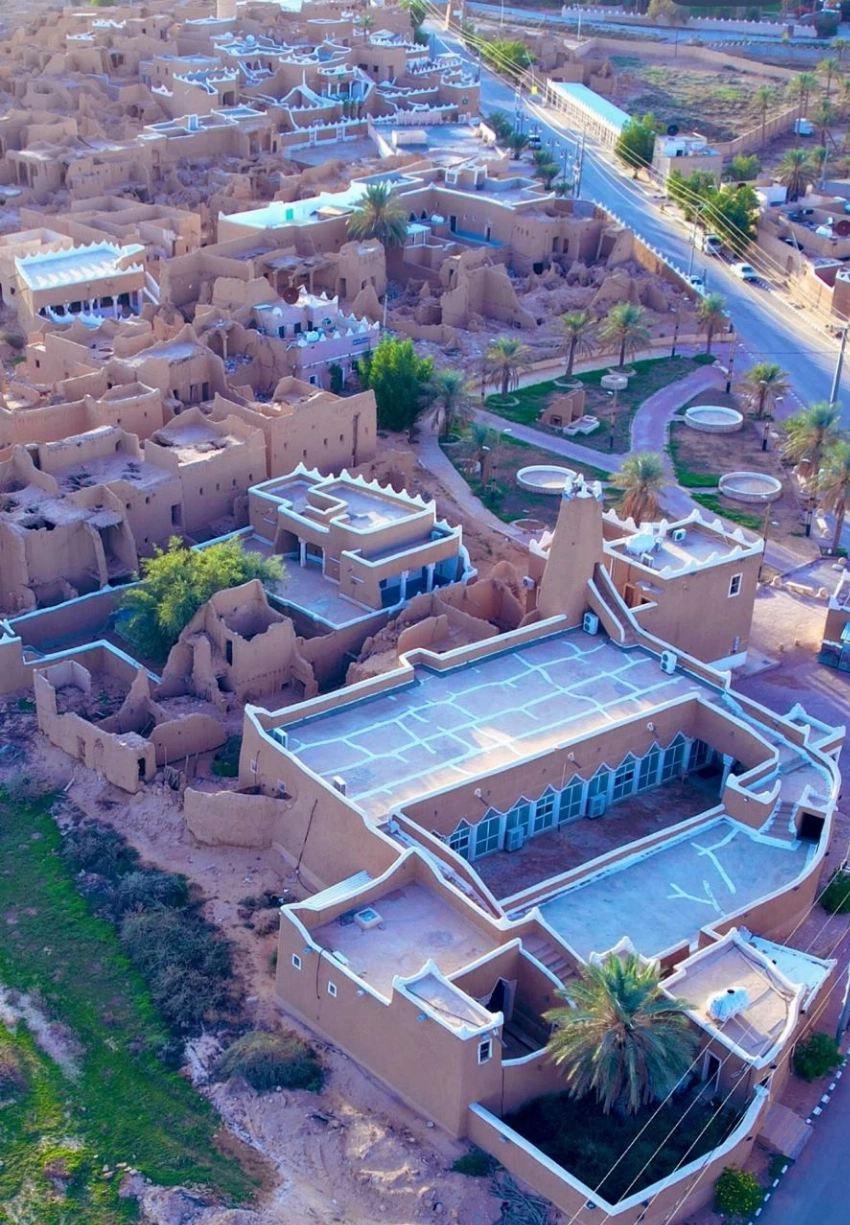
(٣) جلوات حَرْمَة
والمعروف والمشتهر بين الباحثين والمهتمين أن غالبية أهل الزبير هم من بلدات سدير، وغالبية هؤلاء السديراويين جاؤوا من بلدة (حَرْمة) التي كانت قبيل الدعوة الإصلاحية إحدى أهم المنارات العلمية والثقافية في نجد، حسب حديث المؤرخ القدير د. أحمد البسام
https://m.youtube.com/clip/UgkxcGqDTNGVIReOxOuZzscXX0-Ko45nZe0R?ra=m
ولذا كان من الطبيعي أن يتولى مشيخة الزبير ورئاستها خلال كثير من تاريخها بعض أسر حرمة العريقة كآل عون المدلجي وآل السميط.
وعدا الذين هاجروا من سدير إلى الكويت مباشرة (وجلّهم من الزلفي) فإن بعض الأسر السديراوية التي هاجرت إلى الزبير قد غادرتها، بعد أن مكثت فيها ردحاً من الزمن، إلى الكويت، ولم تعد إلى نجد كما فعلت أسر الزبير. ومن أشهر تلك الشخصيات الداعية الكبير الدكتور عبدالرحمن السميط الذي هاجرت أسرته من بلدة حرمة إلى الزبير ثم من الزبير إلى الكويت واستقرت هناك حتى اليوم. وكذلك أمير شعراء النبط محمد بن لعبون الذي هاجر والده المؤرخ حمد بن لعبون من حرمة إلى التويم، ثم هاجر الابن الشاعر لاحقاً إلى الزبير ثم الكويت وتوفي بها. وقد رصد الباحث سليمان التركي في مقالة منشورة أسماء ثمانية وزراء كويتيين، سابقين وحاليين، أصولهم من بلدة حرمة بسدير.
وذكر لي رئيس مركز «حَرْمة» الآن الأستاذ سعود الماضي أن أبرز الذين هاجروا من حرمة إلى الكويت مباشرة هو التاجر الشهير محمد بن حسين بن رزق وابنه أحمد، وكان قدومه للكويت في حدود عام ١٧٥٠م/ ١١٦٣هـ، ويقال إنه كان له دور أساسي في تأسيس القرين.
والشاهد، حتى لا أطيل كثيراً، أن بلدة حَرْمة كانت عنصراً أساسياً في جلوات سدير إلى الزبير والكويت، إذ تذكر بعض المصادر أن ٨٠ أسرة قد جلوا من بلدة حرمة في ليلة واحدة من عام ١١٩٣هـ، إلى بلدات سدير المجاورة وإلى بعض بلدات القصيم وإلى الزبير والكويت والبحرين عبر الأحساء.
شكرا للروائية الكويتية منيرة العيدان التي خلقت بروايتها فرصة لبث هذه الخواطر، حتى يصدر الجزء الثاني الموعود من روايتها.
أدام الله على الشقيقتين السعودية والكويت أسباب الازدهار والاستقرار.
* د. زياد بن عبدالله الدريس
أمين عام مركز عبدالله بن إدريس الثقافي
(1) The Search for Temptation
A friend sent me the cover of the book (Glawat Sudair) asking: Have you read this book? You might be interested. I told him: Yes, I am interested, not out of bias but out of curiosity about the cultural and social roots of the migrations of the people of Najd before the establishment of this blessed state, and the establishment of social security through the creation of governing institutions, and later economic security with the emergence of oil. May God reward the founding king for us abundantly.
I searched for the book at Jarir Bookstore and elsewhere but couldn’t find it. I called the famous bookseller, Mr. Suleiman Al-Wail, the owner of the Heritage Library in Riyadh, and I said to him, “As I try to tempt a Qasimi... how can a Sudairi tempt a Qasimi!”: This is a book about the anthropology of ancient migrations from the Sudair region, and it is not available in all bookstores, so I wish you would take the initiative to bring it to your library.
The dear friend did not hesitate to kindly respond to the request, and the next day he called me and said: Can you believe that the publisher priced the book at 5 Kuwaiti dinars, which is more than 60 riyals? Who will buy a small-sized book with limited pages at this price?!
The truth is that the price is indeed surprising given the size of the book and the type of paper, so I asked Mr. Al-Wail to kindly purchase only 10 copies, and I will guarantee him 10 Sudairis who will buy them from him.
The book arrived at the (Heritage Library), and I went to acquire the first copy of it.
(2) A Kuwaiti Novel about Sudair
I took the book with care and enthusiasm and promised myself not to place it in the reading list but to give it priority, as I believe that the migrations from Sudair to outside the Arabian Peninsula, or to its outskirts, have not received the adequate attention for tracking, study, and publication as happened, for example, with the journeys of the (Aqilat Al-Qassim).
At first glance, it became clear to me that the book is not a descriptive or analytical book, but rather a novel that tells “the story of the migration of seven boys from northern Najd to Kuwait in 1895” (1312 AH). This is not the author’s mistake but the publisher’s, who should have labeled the book cover with the word (novel) as publishers usually do.
This classification error did not prevent me from reading the novel and enjoying it, as the Kuwaiti novelist Munira Al-Eidan @monirah_aleidan managed to enrich her novel with many social analyses that drove those Sudairi youths to the passion of migration towards Kuwait, as well as infusing it with many of the cultural burdens prevalent in Najdi society about 130 years ago.
The talented author was able to treasure her small book with many features of the oral heritage of the Najdi region.
We will notice that the date of the Glawat of the novel's heroes is (1312 AH/ 1895 AD), which is only seven years before King Abdulaziz’s conquest of Riyadh, after which the journey of unifying the kingdom began until its establishment in its current integrated form in 1351 AH/ 1932 AD, and the beginning of the era of stability and prosperity. This means that this Glawat could be the last migration from Sudair to the neighboring countries, and why do I say “neighboring countries”?
Because a simple reader of this book might think that the Glawat of Sudair were only to Kuwait, while Kuwait was not the only destination, nor was it the most attractive one.
The migrations of the people of Sudair began more than 300 years ago for livelihood reasons (drought, hunger, and diseases) and then increased in some towns of Sudair specifically for political reasons after the arrival of the reformist call.
The migrations were towards multiple destinations, with Kuwait coming in second place after Al-Zubair (Iraq), which became known for attracting many Najdi families over three centuries in varying migrations in terms of time, number, and reasons.
(3) Glawat of Harma
It is well-known among researchers and interested parties that the majority of the people of Al-Zubair are from the towns of Sudair, and most of these Sudairis came from the town of (Harma), which was, prior to the reformist call, one of the most important scientific and cultural beacons in Najd, according to the esteemed historian Dr. Ahmed Al-Bassam.
https://m.youtube.com/clip/UgkxcGqDTNGVIReOxOuZzscXX0-Ko45nZe0R?ra=m
Therefore, it was natural for some of the prominent families of Harma, such as Al-Aoun Al-Mudlaji and Al-Sumait, to take over the sheikhdom and leadership of Al-Zubair throughout much of its history.
Aside from those who migrated directly from Sudair to Kuwait (most of whom are from Al-Zulfi), some Sudairi families that migrated to Al-Zubair later left it, after staying there for a while, to Kuwait and did not return to Najd as the families of Al-Zubair did. Among the most famous of these personalities is the great preacher Dr. Abdulrahman Al-Sumait, whose family migrated from Harma to Al-Zubair and then from Al-Zubair to Kuwait, where they have settled until today. Also, the prince of Nabati poets, Muhammad bin Laboun, whose father, the historian Hamad bin Laboun, migrated from Harma to Al-Tuwim, and then the poet son later migrated to Al-Zubair and then to Kuwait, where he passed away. The researcher Suleiman Al-Turki documented in a published article the names of eight Kuwaiti ministers, past and present, whose origins are from the town of Harma in Sudair.
The head of the “Harma” center, Mr. Saud Al-Masadi, mentioned to me that the most prominent person who migrated directly from Harma to Kuwait is the famous trader Muhammad bin Hussein bin Rizq and his son Ahmed, who came to Kuwait around 1750 AD/ 1163 AH, and it is said that he played a key role in establishing Al-Qurain.
The point is, without prolonging too much, that the town of Harma was a fundamental element in the migrations of Sudair to Al-Zubair and Kuwait, as some sources mention that 80 families migrated from the town of Harma in one night in the year 1193 AH, to the neighboring towns of Sudair and to some towns in Al-Qassim and to Al-Zubair, Kuwait, and Bahrain via Al-Ahsa.
Thanks to the Kuwaiti novelist Munira Al-Eidan, who created through her novel an opportunity to express these thoughts, until the promised second part of her novel is published.
May God continue to bless the two sister countries, Saudi Arabia and Kuwait, with prosperity and stability.
* Dr. Ziad bin Abdullah Al-Drees
Secretary-General of the Abdullah bin Idris Cultural Center
إخلاء مسؤولية إن موقع بالبلدي يعمل بطريقة آلية دون تدخل بشري،ولذلك فإن جميع المقالات والاخبار والتعليقات المنشوره في الموقع مسؤولية أصحابها وإداره الموقع لا تتحمل أي مسؤولية أدبية او قانونية عن محتوى الموقع.
"جميع الحقوق محفوظة لأصحابها"
المصدر :" جريدة عكاظ "





0 تعليق